Healthy Greek Yogurt Cheesecake

This healthy Greek yogurt cheesecake has the rich, tangy character you want from cheesecake, but its filling comes together with a short list of everyday ingredients. The finished texture is thick, smooth, and creamy, with a soft custard-like feel once it has had time to chill. It is an easy dessert to make when you want something that feels special without building a complicated batter.
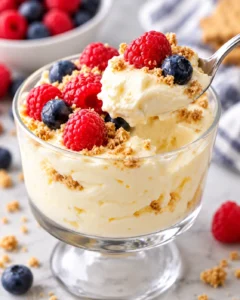
The filling is blended until velvety, then poured into a crust and baked at 350°F. Since the recipe contains no eggs, you can skip the crust and baking to save time and calories, then serve the filling as no-bake cheesecake mousse. Either way, the recipe makes one cheesecake. For the baked version, plan on a 50-minute bake, about 1 hour of cooling, and 6 to 8 hours of uncovered chilling.
Why You Will Love This Recipe
Greek yogurt gives this cheesecake its pleasant tang and thick body, while cream cheese or silken firm tofu provides a creamy, cohesive filling. Cornstarch helps thicken and bind the mixture without eggs. Lemon juice and vanilla sharpen the flavor, and your choice of maple syrup, honey, sugar, or another sweetener lets you adjust the dessert to the ingredients you keep on hand.
There is also plenty of flexibility built into the recipe. Use plain or vanilla Greek yogurt, switch to a flavored yogurt for a different dessert, or choose dairy-free yogurt and a plant-based creamy ingredient. Bake the filling in a store-bought or homemade crust, or spoon it into glasses for a faster mousse-style presentation. This is a high-protein cheesecake, and each slice provides eight grams of protein for just 100 calories.
That range of options makes this more than a single fixed presentation. You can make a classic pie, a vegan version, a keto-style variation with almond flour, or a simple crustless dessert while keeping the same smooth blended filling at the center.
Ingredients
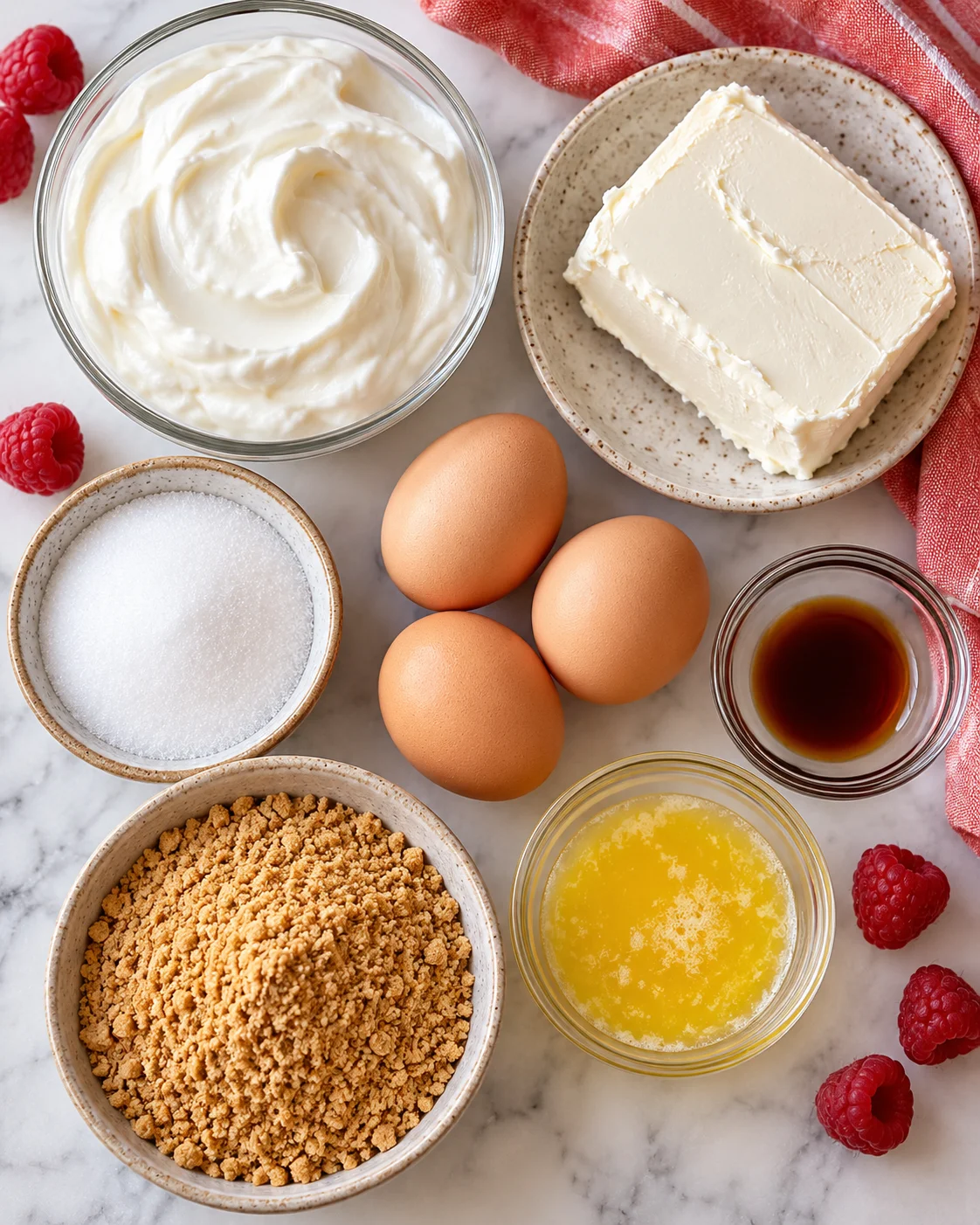
For the cheesecake filling, gather:
- 1 1/2 cups Greek yogurt or dairy free alternative (360g)
- 1/2 cup cream cheese or silken firm tofu (120g)
- 1/4 tsp salt
- 1/2 tbsp pure vanilla extract (7g)
- 1/2 tbsp lemon juice (7g)
- 1/2 cup pure maple syrup or honey (120g) (or 2/3 cup sugar or xylitol)
- 1 tbsp cornstarch (8g), arrowroot, or 2 tbsp almond flour
- 1 crust of choice (see Healthy Crust Options below)
Ingredient notes
Greek yogurt: Plain or vanilla yogurt both work. If you use vanilla-flavored yogurt, omit the vanilla extract. You can also change the flavor by choosing strawberry banana, pineapple, French vanilla, peach, or another flavor of yogurt. For a vegan yogurt cheesecake, use vegan Greek yogurt or nondairy coconut yogurt.
Creamy ingredient: Cream cheese is optional, and full-fat cream cheese gives the creamiest results. To make the tofu version without cream cheese, use silken firm tofu; shelf-stable Mori Nu is a useful option when available. Refrigerated soft tofu can also work if shelf-stable tofu is not available. To keep the recipe plant-based, pair the yogurt with tofu or vegan cream cheese.
Sweetener: Pure maple syrup is one option, but an all-purpose granulated or liquid sweetener can be used. Other options include regular sugar, coconut sugar, honey, agave, granulated erythritol, and xylitol. If using powdered sugar, increase the amount to equal the sweetness of granulated sugar rather than assuming the same volume will taste equally sweet.
Thickener: Cornstarch or arrowroot thickens the filling and binds it without eggs. For the low-carb and keto Greek yogurt cheesecake option, substitute 2 tablespoons of almond flour for the 1 tablespoon of cornstarch.
Depending on the choices you make, the cheesecake can be gluten free, oil free, low carb, low calorie, low fat, and vegan. The crust is part of that choice, so select one that fits the version you want to prepare.
How to Make Healthy Greek Yogurt Cheesecake
- Prepare your setup. Gather all of the cheesecake ingredients. If you are baking the dessert, prepare the optional crust of your choice before blending the filling.
- Heat the oven. Preheat it to 350°F (176°C). This temperature is used for the baked cheesecake and for the traditional crust option below.
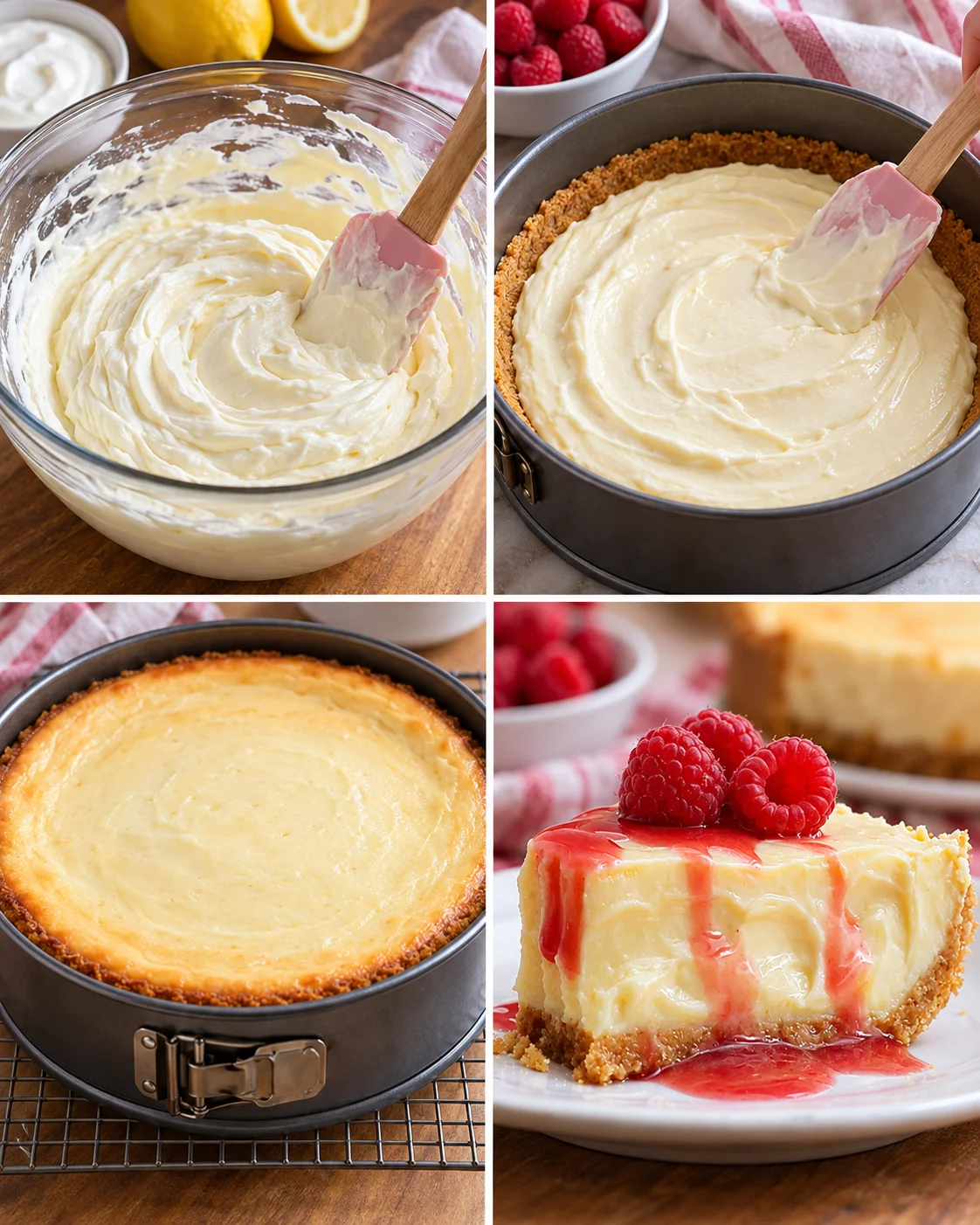
- Blend the filling. Add all of the Greek yogurt cheesecake ingredients except the crust to a high-powered blender or food processor. Process until the mixture is thick and completely smooth. Pause to scrape down the sides if needed so the salt, thickener, flavorings, sweetener, yogurt, and creamy ingredient are evenly incorporated.
- Choose the presentation. For a baked cheesecake, pour the smooth filling into the prepared crust. For no-bake cheesecake mousse, pour it into glasses or bowls instead. You can also eat the filling straight from the blender with a spoon if you are serving it casually.
- Bake. Place the filled crust on the oven’s center rack and bake for 50 minutes. When the time is up, the top should still appear soft and underbaked. Carefully remove the cheesecake from the oven at that point rather than waiting for it to look firm.
- Cool at room temperature. Let the baked cake cool for about 1 hour. This gives the hot filling time to settle before it is moved to the refrigerator.
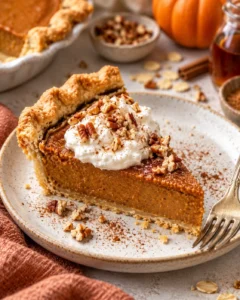
- Chill until firm. Transfer the cheesecake to the refrigerator and chill it uncovered for 6 to 8 hours or overnight. The filling firms considerably as it chills, so do not skip this step if you want clean slices.
- Slice and enjoy. Once chilled, cut the cheesecake and serve it with your chosen toppings. Store any leftovers according to the guidance below.
Tips for Success
- Blend for smoothness, not just incorporation. The desired cue is a thick, completely smooth filling. Give the blender or food processor enough time to eliminate visible lumps, and scrape the sides when necessary.
- Keep the thickener choice consistent. Cornstarch and arrowroot both thicken and bind the filling. For the low-carb and keto variation, use 2 tablespoons of almond flour instead of the cornstarch. Do not treat those measurements as interchangeable by volume.
- Watch the doneness cue. A soft, underbaked-looking top after 50 minutes is expected in this recipe. The cheesecake is meant to firm as it cools and chills, so a visibly soft center is not a reason to extend the bake automatically.
- Allow the full chill. The room-temperature cooling period and the uncovered refrigerator rest are both part of the process. The texture changes substantially during the 6-to-8-hour chill, or during an overnight rest.
- Choose a crust that matches your needs. A traditional crust uses flour, while the graham cracker and almond-flour crusts offer different textures and ingredient profiles. If you want the cheesecake to be gluten free, oil free, vegan, or keto, check every crust ingredient rather than judging the filling alone.
- Use vanilla yogurt strategically. Vanilla-flavored yogurt already supplies that flavor, so leave out the 1/2 tablespoon of vanilla extract when making that choice.
If the finished filling seems loose immediately after baking, first check whether it has completed its cooling and refrigerator time. The filling’s texture develops during chilling, not while the cake is still warm.
Variations and Substitutions
Make it dairy-free or vegan
Use a dairy-free alternative in place of the Greek yogurt and choose silken firm tofu or vegan cream cheese in place of cream cheese. Vegan Greek yogurt and nondairy coconut yogurt are both options. For a fully plant-based dessert, make sure the sweetener and crust you select also suit that choice.
Change the yogurt flavor
Plain yogurt creates a simple tangy base, while vanilla yogurt lets you omit the vanilla extract. Strawberry banana, pineapple, French vanilla, peach, and other flavored yogurts can change the character of the cheesecake without changing the basic blending method.
Choose another sweetener
Use pure maple syrup, honey, regular sugar, coconut sugar, agave, granulated erythritol, or xylitol according to the version you want. The filling lists 1/2 cup of maple syrup or honey, or 2/3 cup of sugar or xylitol. Other all-purpose granulated or liquid sweeteners can also be used. If using powdered sugar, add enough to equal the sweetness of granulated sugar.
Use almond flour instead of cornstarch
For a low-carb or keto-style Greek yogurt cheesecake, use 2 tablespoons of almond flour instead of 1 tablespoon of cornstarch. This substitution belongs in the filling, not in the crust instructions unless you also choose the separate almond-flour crust.
Serve it as mousse
Because the recipe contains no eggs, skipping both the crust and baking saves time and calories. Pour the blended filling into bowls or glasses, then chill and serve it as cheesecake mousse. This is the quickest presentation and also avoids the crust ingredients.
Healthy Crust Options
No-bake graham cracker crust
Stir 2 cups of graham cracker crumbs with 6 tablespoons of softened but not melted butter or plant-based butter and 2 tablespoons of sugar of choice. Press the mixture very firmly into a 9-inch pie pan or springform pan. Refrigerate it for at least 1 hour before adding the filling. There is no need to bake this crust.
Keto almond-flour crust
Stir 2 cups of almond or pecan flour with 1/4 teaspoon of salt and 6 tablespoons of melted coconut oil or butter. Press it down very firmly into a 9-inch springform or pie pan. Refrigerate for at least 1 hour before filling.
Traditional crust
In a large bowl, combine 1 1/2 cups of regular flour or whole wheat pastry flour, 1 teaspoon of salt, 1/3 cup of sugar or xylitol, 1/2 cup of oil or melted butter, and 2 to 4 tablespoons of water. Add enough water for the dough to stick together without becoming gummy. Preheat the oven to 200°F. Press the dough into a 9-inch pie pan, put it in the oven, and immediately increase the temperature to 350°F. Bake for 15 minutes. Let the crust cool, then press it down. Once cooled, it is ready to fill.
Storage, Make-Ahead, and Freezing
The baked cheesecake needs its refrigerator time before serving, making it a useful make-ahead dessert. Chill it uncovered for 6 to 8 hours or overnight, until it firms considerably.
Store leftovers in an airtight container in the refrigerator for up to 4 days. You can also slice the leftovers and freeze them in a covered container for up to 3 months. Portioning before freezing makes it easier to take out only what you need, but keep the slices covered as specified.
Serving Suggestions
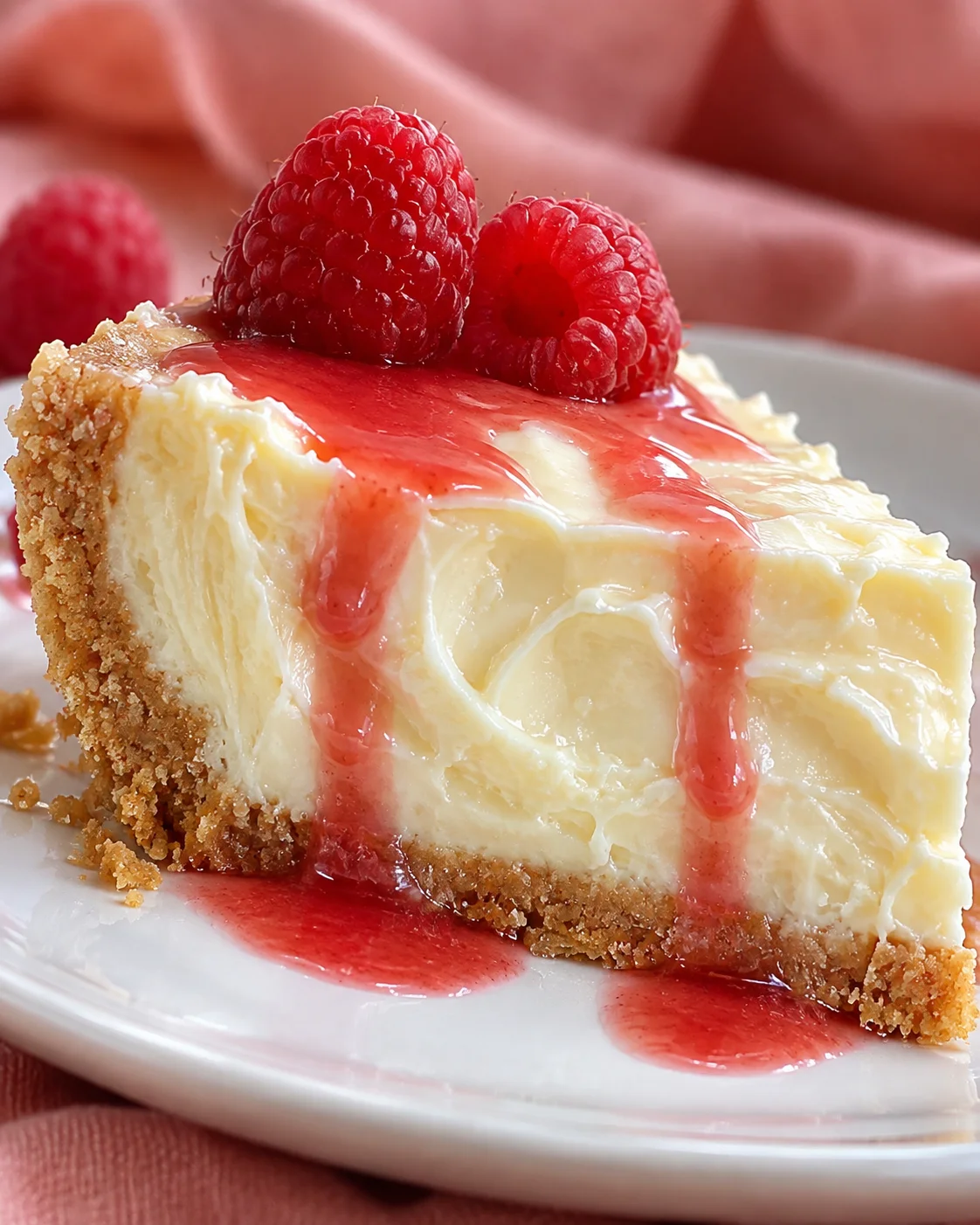
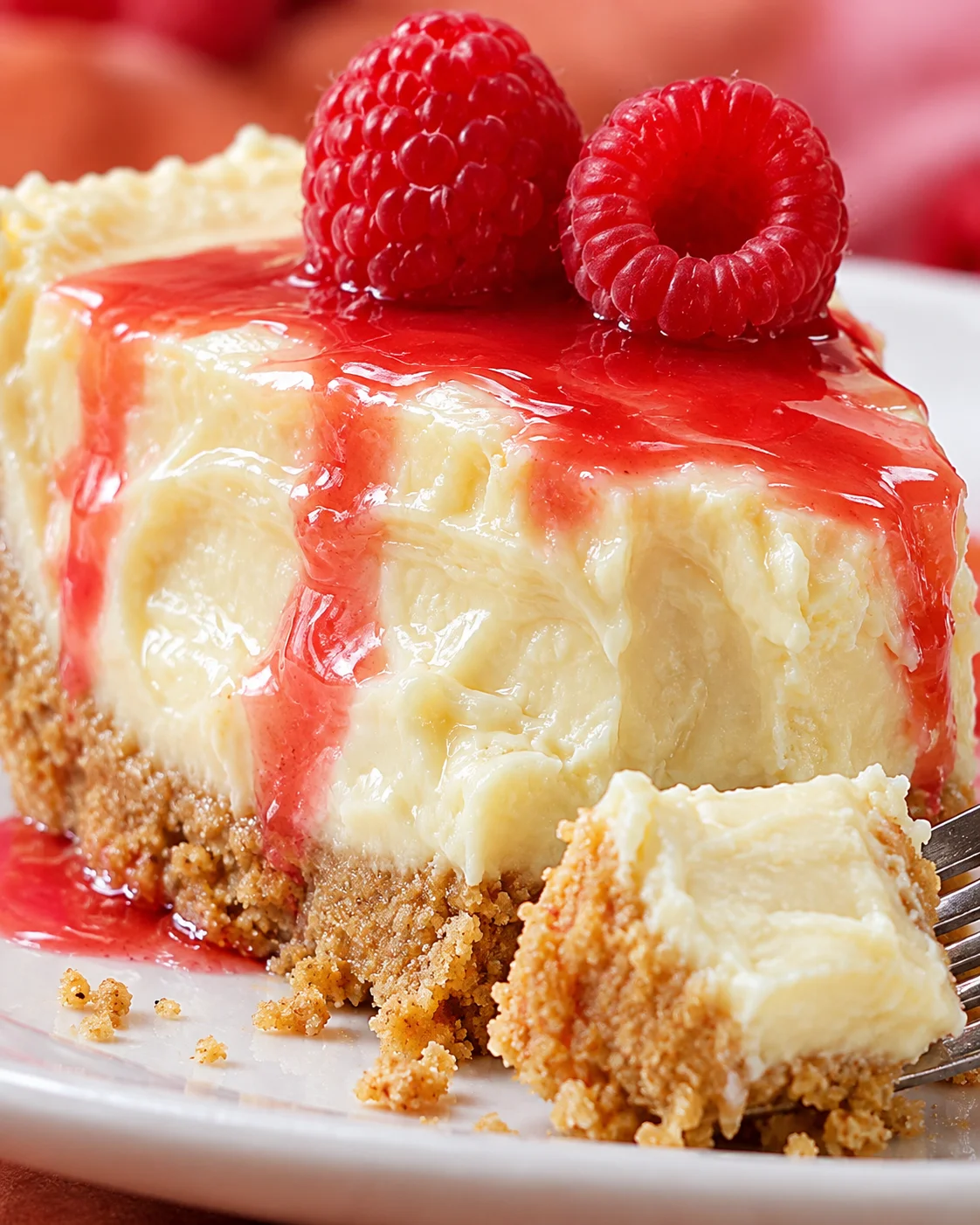
Serve the cheesecake plain for a smooth, tangy dessert, or add toppings to make the presentation more festive. The mousse version works especially well in individual bowls or glasses. Top it with fresh strawberries and Homemade Nutella, raspberries, cherries, or blueberries, and add Coconut Whipped Cream if desired.
The crusted version can be sliced after its long chill, while the crustless filling can be served straight from its bowl or glass. Since the filling is essentially cheesecake-flavored yogurt, a chilled mousse portion can also fit a breakfast-style serving when that is how you would like to enjoy it.
Frequently Asked Questions
Does this Greek yogurt cheesecake require cream cheese?
No. Cream cheese is optional. You can use 1/2 cup of cream cheese or 1/2 cup of silken firm tofu. Shelf-stable silken firm tofu such as Mori Nu is a useful option when available, and refrigerated soft tofu can also work if shelf-stable tofu is not available.
Can I make it without a crust?
Yes. Since the recipe contains no eggs, skip the crust and baking steps and serve the blended filling in bowls or glasses as no-bake cheesecake mousse. The filling can also be eaten directly from the blender with a spoon.
How long does the baked cheesecake need to chill?
After about 1 hour of cooling at room temperature, refrigerate it uncovered for 6 to 8 hours or overnight. This rest is what allows the cake to firm considerably.
Can I use vanilla or flavored Greek yogurt?
Yes. Plain or vanilla yogurt works, and vanilla-flavored yogurt means you should omit the vanilla extract. Strawberry banana, pineapple, peach, French vanilla, and other yogurt flavors can also change the recipe’s flavor.
How do I make a keto version?
Use 2 tablespoons of almond flour in place of the 1 tablespoon of cornstarch, and choose the keto almond-flour crust if you want the crust to follow that style as well. Granulated erythritol or xylitol are also sweetener options.
How much protein and how many calories are in each slice?
Each slice provides 8 grams of protein and just 100 calories.
Nutrition Information
Each slice provides 8 grams of protein and just 100 calories.