Cakes
Healthy Greek Yogurt Cheesecake: Easy Baked or No-Bake Mousse
In this recipe
This Greek yogurt dessert has the smooth, creamy texture you want from cheesecake. The filling blends Greek yogurt with cream cheese or silken tofu, lemon, vanilla, a sweetener, and a thickener for a soft, tangy result.
You can pour the mixture into a prepared crust and bake it, or skip the crust and oven entirely for a cheesecake mousse. Either way, the blended filling is thick and velvety, and the baked cheesecake firms considerably after it cools and chills.
Cream cheese is not required: silken firm tofu is the alternative. For the base or original ingredient version, one slice has 8 grams of protein and 100 calories. Substitutions and crust choices change the nutrition.
The recipe makes 1 cheesecake and leaves room for the way you like to cook. Use plain or vanilla yogurt, choose a dairy-free and plant-based combination, make one of the included crusts, or serve the mousse in bowls or glasses with fruit and a whipped topping.
Why You Will Love This Recipe
This recipe gives you two desserts from one smooth filling. The baked version has a soft custard texture and a sliceable finish after its long refrigerator rest. The no-bake version is quicker because there are no eggs in the mixture, so you can skip both the crust and baking steps when you want a spoonable dessert.
The flavor is gently tangy from the yogurt and lemon, with enough sweetness to balance it. Vanilla keeps the base familiar, while flavored yogurt can take the dessert in a different direction without changing the method. The filling works with dairy or plant-based choices, and the crust can be store-bought, homemade, traditional, or made with almond or pecan flour.
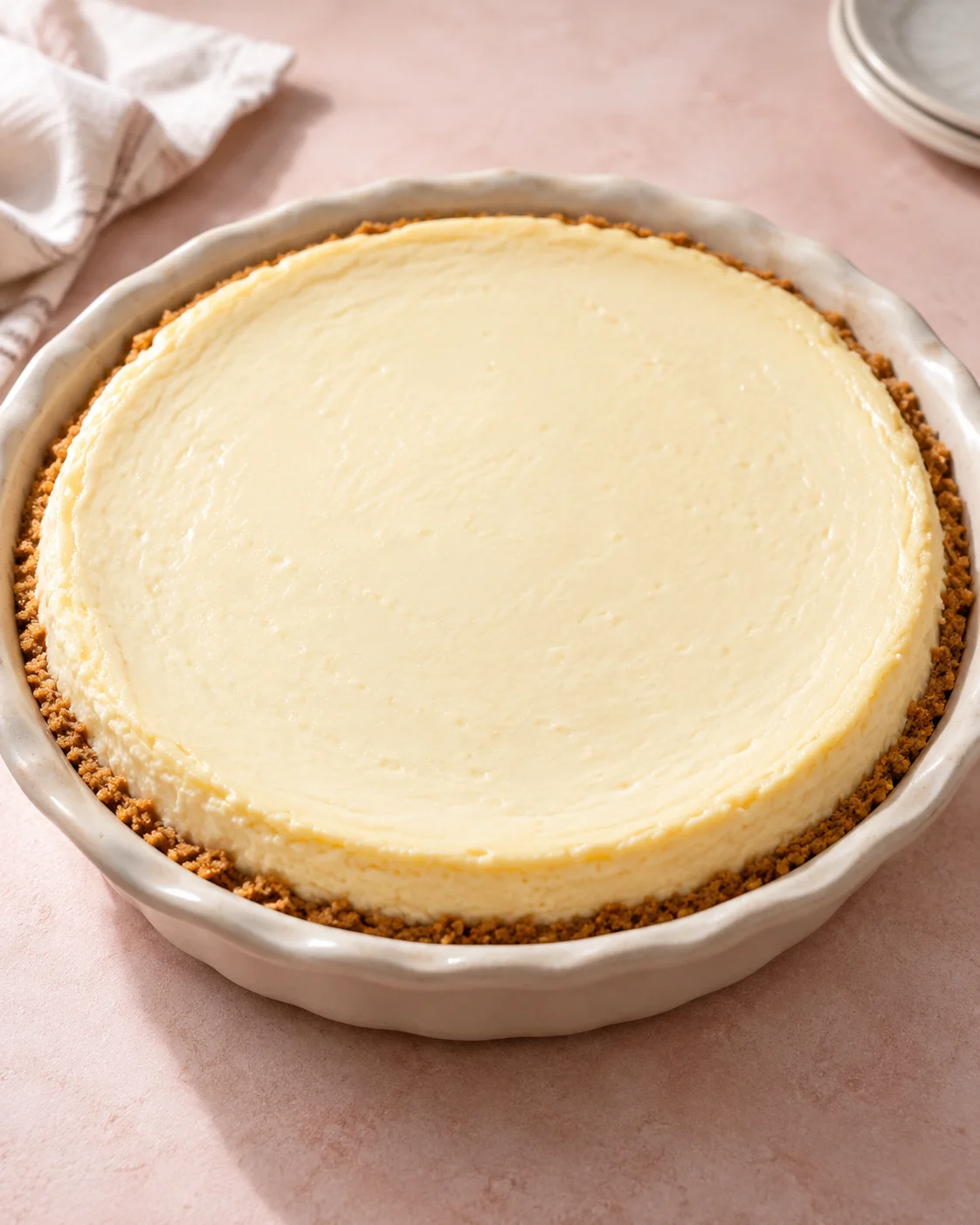
Most importantly, the doneness cue is straightforward: the baked cheesecake should still look soft and slightly underdone when it comes out of the oven. Cooling and chilling do the rest of the setting, so the finished texture is not judged by a firm center straight from the oven.
Ingredients and Ingredient Notes
The filling uses a short list of ingredients. Measure the following for one cheesecake:
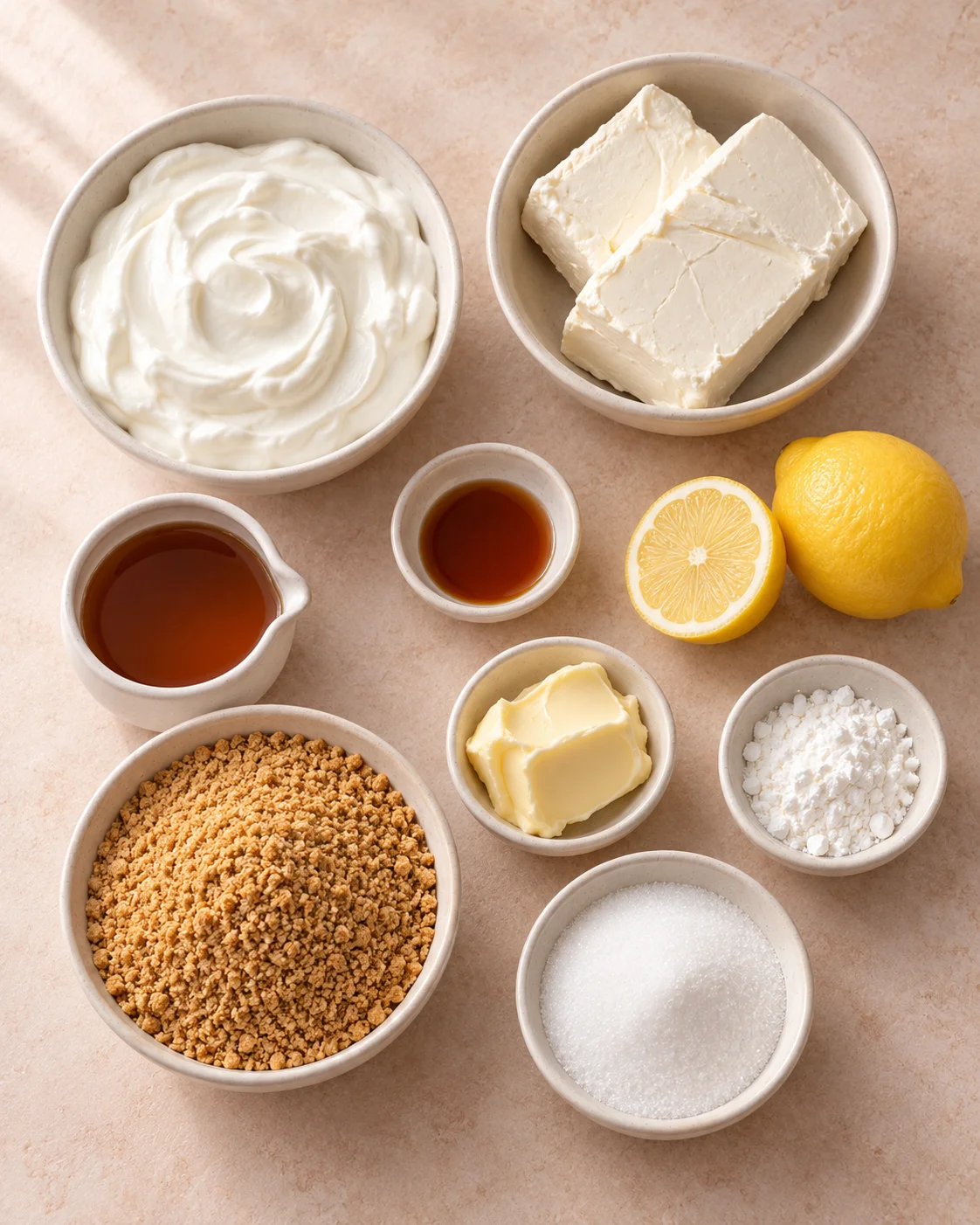
- 1 1/2 cups Greek yogurt or dairy-free alternative (360g): Plain or vanilla yogurt both work. If you choose vanilla, omit the vanilla extract below. Strawberry banana, pineapple, French vanilla, peach, or another yogurt flavor can change the character of the dessert.
- 1/2 cup cream cheese or silken firm tofu (120g): Cream cheese is optional; full-fat cream cheese gives the creamiest result. For a version without cream cheese, silken firm tofu is the suggested choice. Shelf-stable Mori Nu is one option, and refrigerated soft tofu can work if the shelf-stable tofu is not available.
- 1/4 teaspoon salt: A small amount rounds out the sweet-tangy filling.
- 1/2 tablespoon pure vanilla extract (7g): Leave it out when using vanilla-flavored yogurt.
- 1/2 tablespoon lemon juice (7g): This adds the bright tang associated with cheesecake.
- 1/2 cup pure maple syrup or honey (120g), or 2/3 cup sugar or xylitol: Choose a sweetener that suits your preference. Regular sugar, coconut sugar, agave, granulated erythritol, and granulated xylitol are also supported options. If you use powdered sugar, increase the amount until it provides the sweetness of the granulated sugar.
- 1 tablespoon cornstarch (8g), arrowroot, or 2 tablespoons almond flour: Cornstarch or arrowroot thickens and binds the egg-free filling. Almond flour can replace the cornstarch when you want the alternate lower-carbohydrate version.
- 1 crust of choice: Use a store-bought graham cracker crust or one of the homemade options below, or skip the crust for mousse.
Graham Cracker Crust
Stir 2 cups graham cracker crumbs with 6 tablespoons softened butter or plant-based butter and 2 tablespoons sugar of choice. The butter should be softened but not melted. Press the mixture very firmly into a 9-inch pie pan or springform pan, then refrigerate it for at least 1 hour before adding the filling. This crust does not need to be baked.
Keto Almond Flour Crust
Stir 2 cups almond or pecan flour with 1/4 teaspoon salt and 6 tablespoons melted coconut oil or butter. Press it down very firmly into a 9-inch springform or pie pan, then refrigerate it for at least 1 hour before filling.
Traditional Crust
In a large bowl, combine 1 1/2 cups flour—regular flour or whole wheat pastry flour both work—with 1 teaspoon salt, 1/3 cup sugar or xylitol, and 1/2 cup oil or melted butter. Add 2 to 4 tablespoons water, just until the dough sticks together without becoming gummy.
Preheat the oven to 200 degrees Fahrenheit. Press the dough into a 9-inch pie pan, put it in the oven, and immediately increase the temperature to 350 degrees Fahrenheit. Bake for 15 minutes. Let the crust cool, then press it down; once cooled, it is ready to fill.
How to Make Greek Yogurt Cheesecake
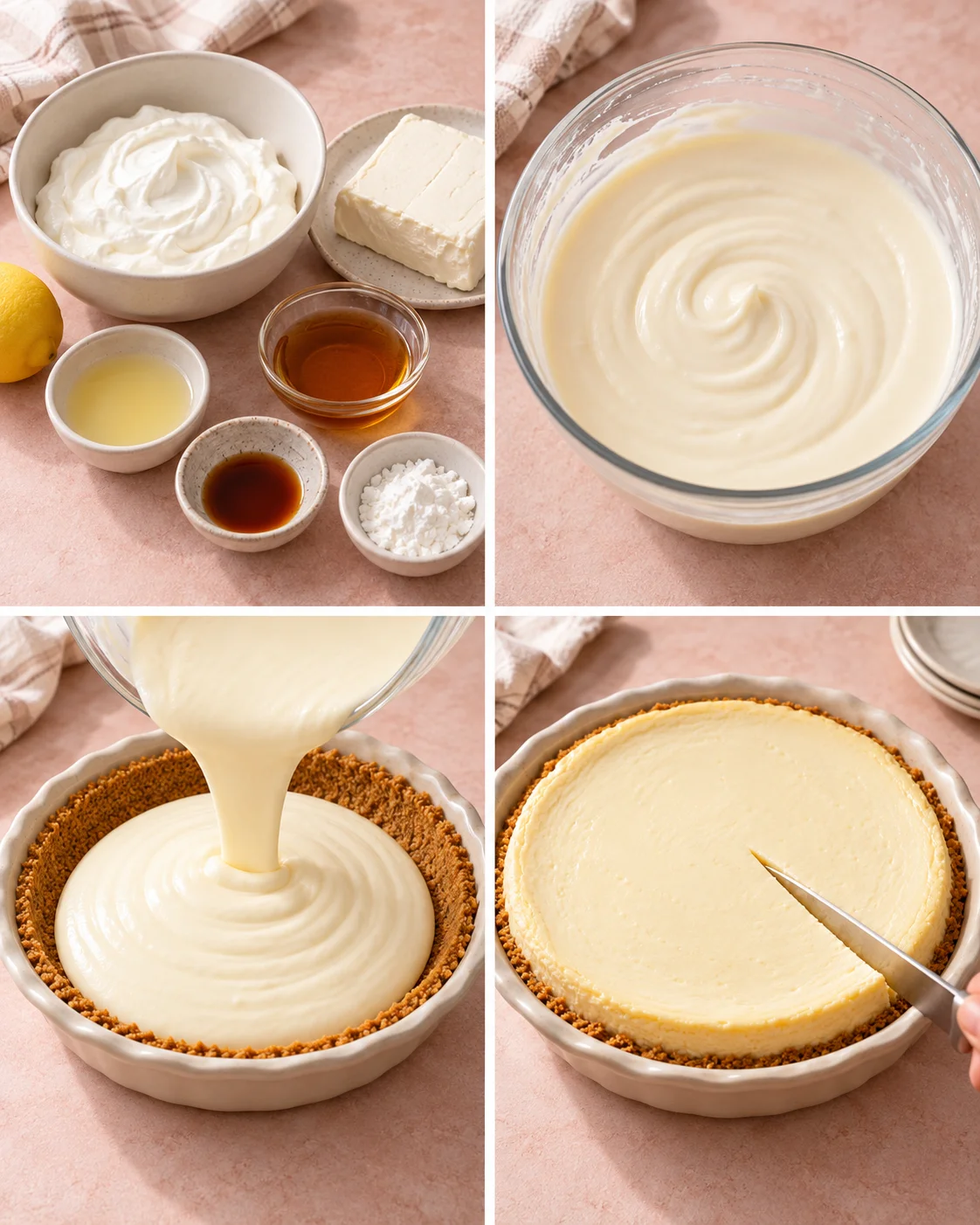
- Gather the ingredients. Prepare an optional crust of your choice before you begin. If you are making the mousse, set out bowls or glasses instead.
- Preheat the oven. Set it to 350 degrees Fahrenheit, or 176 degrees Celsius. This is the temperature for the filled cheesecake; use the separate temperatures and timing above if you are making the traditional crust.
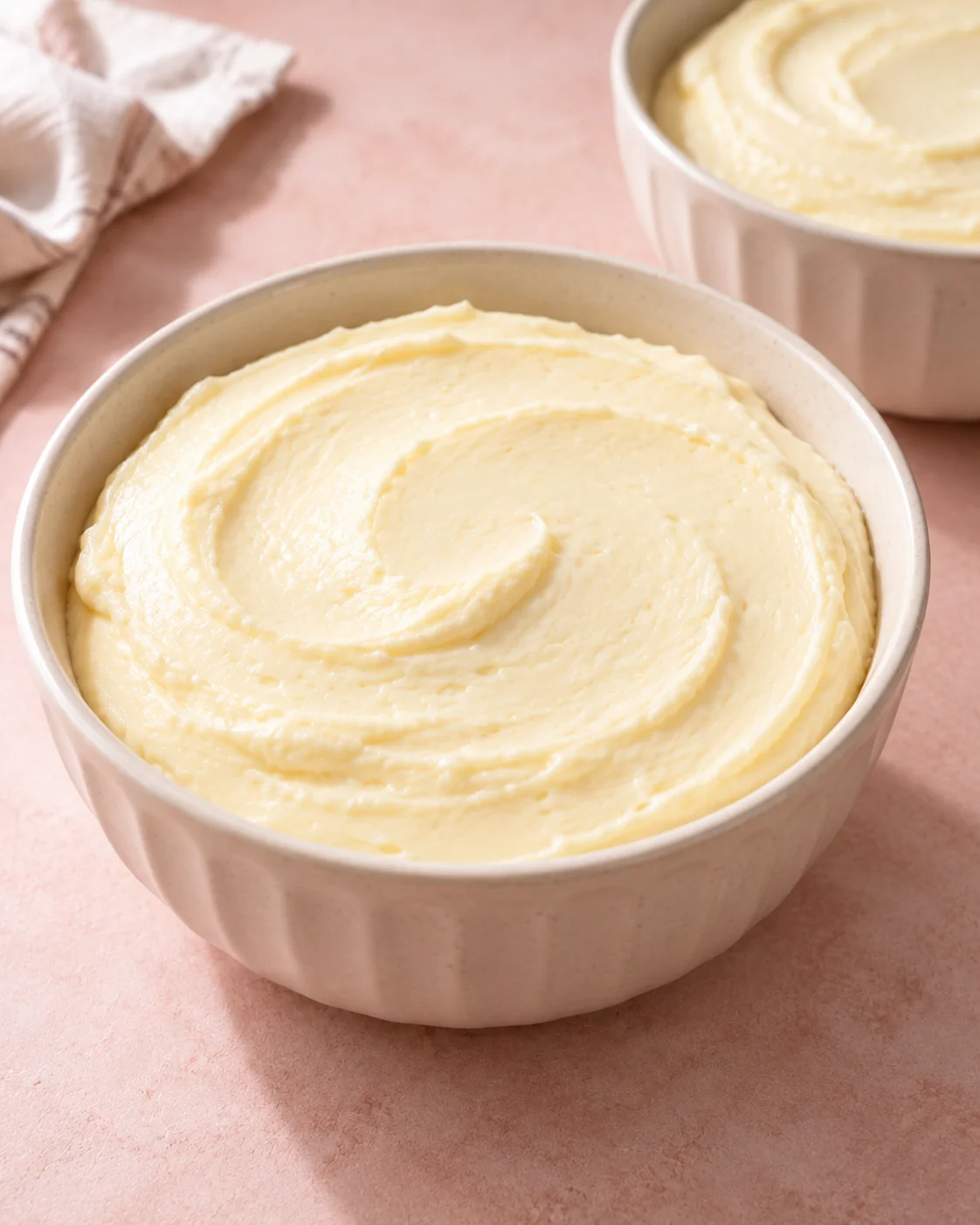
- Blend the filling. Add the Greek yogurt, cream cheese or tofu, salt, vanilla extract, lemon juice, sweetener, and cornstarch or almond flour to a blender or food processor. Blend on high power until the mixture is completely smooth and thick.
- Choose the format. Pour the smooth filling into the prepared crust for a baked cheesecake. For the no-bake option, pour it into bowls or glasses instead.
- Bake the cheesecake. Place the filled crust on the center rack and bake for 50 minutes. When the time is up, the top should still appear soft and underbaked. Do not wait for the center to look firm in the oven; it will firm as it cools and chills.
- Cool at room temperature. Carefully remove the cheesecake and let it cool for about 1 hour. This gives the hot filling time to settle before refrigeration.
- Chill uncovered. Transfer the cooled cheesecake to the refrigerator and chill it uncovered for 6 to 8 hours. The recipe can also chill overnight. It will firm up considerably during this time.
- Slice and serve. Once chilled, slice the cheesecake. Keep the mousse in its bowls or glasses and add toppings just before serving.
Tips for Success
- Blend until fully smooth. The filling should be thick and completely smooth before it goes into the crust or serving dishes.
- Use the yogurt flavor intentionally. Plain yogurt gives you the most neutral base. Vanilla yogurt adds flavor on its own, so leave out the vanilla extract rather than stacking the same flavor.
- Watch the doneness cue, not just the clock. The baked top is supposed to remain soft and underdone-looking after 50 minutes. The refrigerator is part of the setting process, and the cheesecake becomes much firmer there.
- Keep the cheesecake uncovered while it chills. The supplied method calls for an uncovered refrigerator rest of 6 to 8 hours or overnight. Cover leftovers after the cheesecake has set and you are storing them.
- Press crusts firmly. Both refrigerator crusts need a firm, even press so the crumbs or flour mixture holds together when the filling is added. For the traditional crust, add only enough water to make it stick together without turning gummy.
- Plan the no-bake version when time is short. Because the mixture contains no eggs, you can skip the crust and baking steps and serve the filling as cheesecake mousse.
Variations and Substitutions
There are several supported ways to change the flavor or fit the filling to your ingredients:
- Change the yogurt flavor: Try strawberry banana, pineapple, French vanilla, peach, or another flavor you enjoy. Vanilla yogurt is also fine; omit the vanilla extract when you use it.
- Make it dairy-free: Use dairy-free Greek yogurt or nondairy coconut yogurt. Pair it with silken tofu or vegan cream cheese to keep the filling plant-based.
- Choose the sweetener: Pure maple syrup and honey are listed options, as are regular sugar, coconut sugar, agave, granulated erythritol, and granulated xylitol. Powdered sugar needs to be increased to match the sweetness of granulated sugar.
- Use the alternate thickener: Use cornstarch or arrowroot for the thickener, or replace the cornstarch with 2 tablespoons almond flour. Cornstarch is the ingredient that thickens and binds the egg-free filling, while the almond-flour option works with the alternate lower-carbohydrate approach.
- Select a crust—or none: Use a store-bought graham cracker crust or one of the homemade options above. The mousse needs no crust at all.
Depending on the yogurt, sweetener, thickener, and crust you choose, the dessert can also accommodate gluten-free, oil-free, lower-carbohydrate, or vegan preferences. Check each packaged ingredient when a particular dietary requirement matters.
Storage, Make-Ahead, and Freezing
The baked cheesecake needs time to chill before slicing. After its room-temperature cooling period, refrigerate it uncovered for 6 to 8 hours or overnight; this is when the filling firms considerably. The no-bake mousse can be served in bowls or glasses instead of following the baked cooling and chilling route.
Store leftovers in an airtight container in the refrigerator for up to 4 days. For longer storage, slice the leftovers and place them in a covered container in the freezer for up to 3 months.
Serving Suggestions
Serve the baked cheesecake in slices, or spoon the no-bake version into bowls or glasses. The filling can also be eaten straight from the blender with a spoon when you are keeping things especially simple.
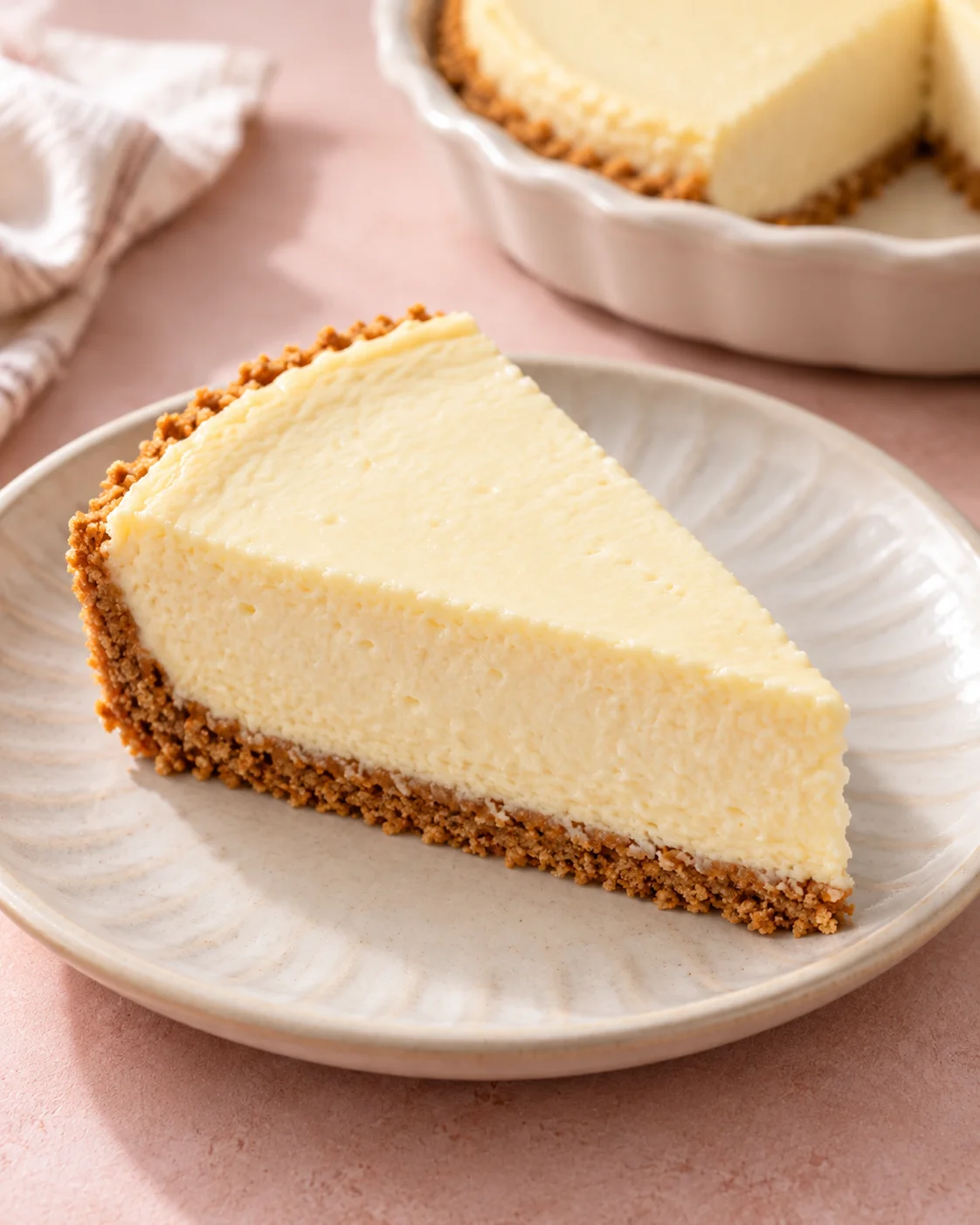
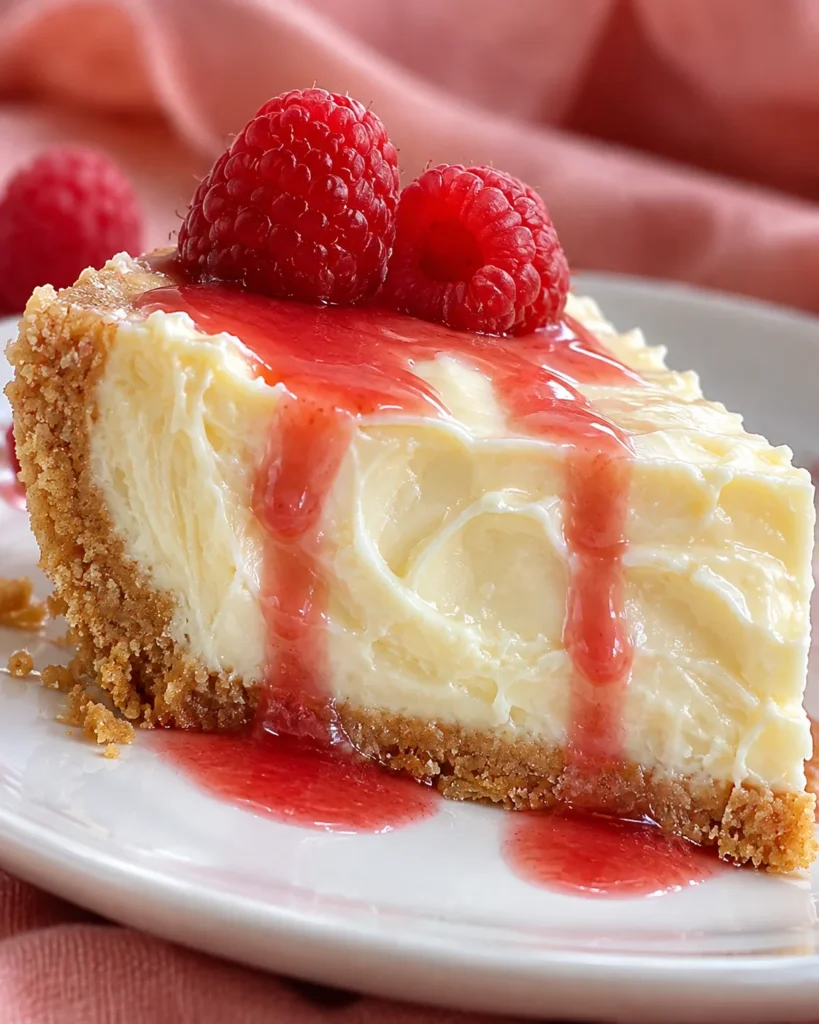
For a fruit-topped dessert, add fresh strawberries, raspberries, cherries, or blueberries. A spoonful of coconut whipped cream works well with the berries, and a chocolate-hazelnut spread such as homemade Nutella adds a richer finish. These toppings are especially useful for the mousse because they turn the smooth filling into an easy individual dessert.
The recipe can also be served as a breakfast-style treat if that suits your routine. Keep the base plain and let the yogurt flavor, fruit, and topping do the work, or use the baked cheesecake when you want neat slices for a dessert table.
Frequently Asked Questions
Can I make this Greek yogurt cheesecake without a crust?
Yes. Since the filling contains no eggs, you can skip both the crust and the baking steps. Pour the blended mixture into bowls or glasses and serve it as no-bake cheesecake mousse. You can top it with fresh fruit, coconut whipped cream, or a chocolate-hazelnut spread.
Can I use vanilla Greek yogurt?
Yes. Plain or vanilla Greek yogurt works. When using vanilla yogurt, omit the 1/2 tablespoon of pure vanilla extract so the flavor stays balanced. Other flavored yogurts, including strawberry banana, pineapple, French vanilla, and peach, can also change the finished dessert.
How can I make the recipe dairy-free or plant-based?
Use dairy-free Greek yogurt or nondairy coconut yogurt. For the creamy secondary ingredient, choose silken tofu or vegan cream cheese instead of dairy cream cheese. The sweetener and crust should also match your dietary needs; the listed crusts include both butter and plant-based options.
How do I know when the baked cheesecake is done?
After 50 minutes on the center rack, the top should still look soft and underbaked. That is the expected cue. Let the cheesecake cool at room temperature for about an hour, then refrigerate it uncovered for 6 to 8 hours or overnight. It firms considerably during the chill.
Which crust should I use?
Use a store-bought graham cracker crust, the graham cracker crust above for a no-bake homemade option, the almond or pecan flour crust for the alternate lower-carbohydrate approach, or the traditional flour crust. You can also skip the crust and make mousse.
How long will leftovers keep?
Refrigerate leftovers in an airtight container for up to 4 days. You can also slice and freeze them in a covered container for up to 3 months.
Keep exploring
More from the recipe collection