Dinners
Seared Scallop Recipe with Cream Sauce
In this recipe
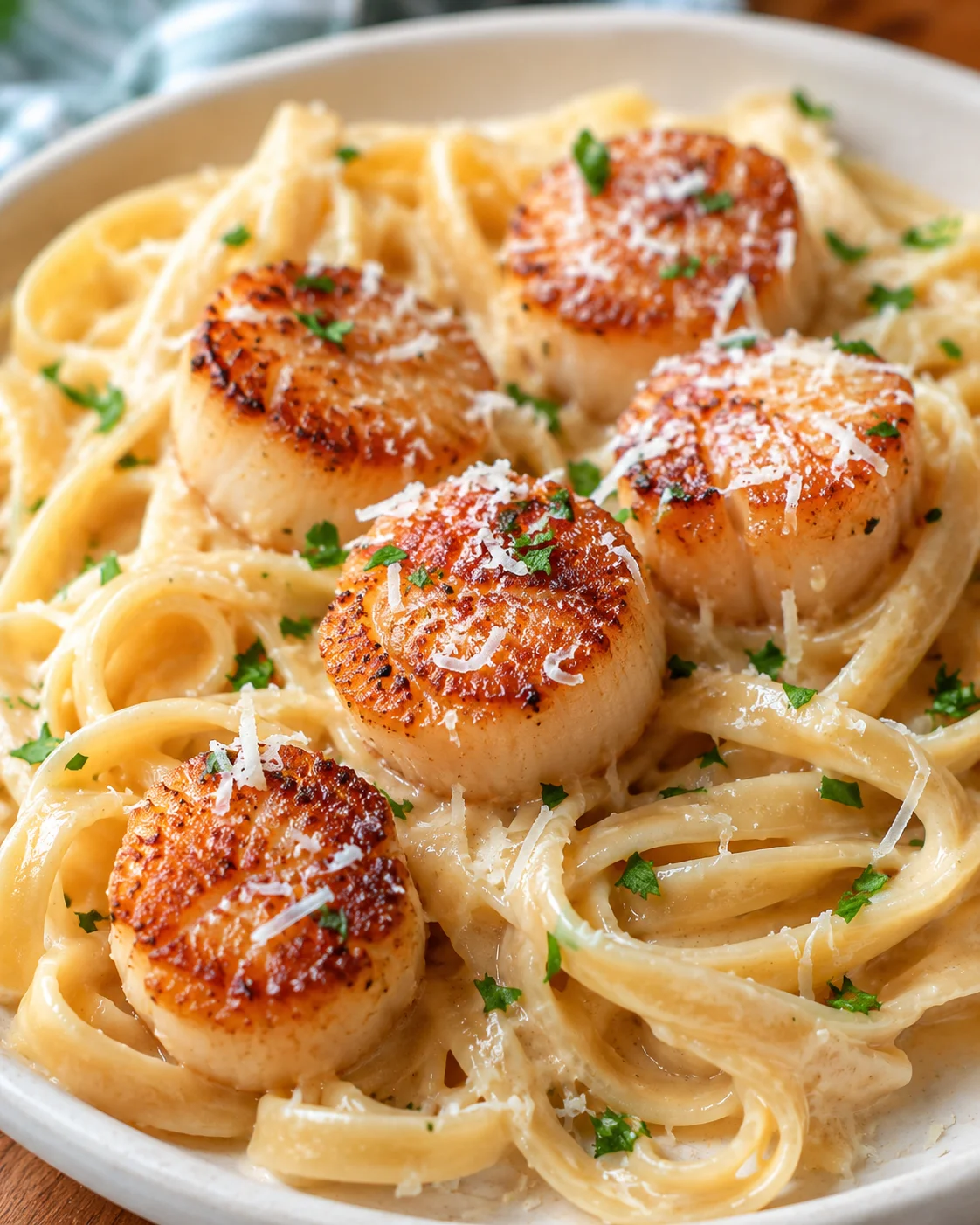 This recipe gets you restaurant-quality seared scallops done fast — about 30 minutes — using only a few staple ingredients. Here’s the simple process: dry sear your scallops until they turn golden brown, then use the same pan to make a garlicky Parmesan cream sauce, tossing everything with pasta or spooning over rice or veggies. Along the way, I’ll walk you through what scallops to buy (spoiler: “dry” sea scallops are the way to go), step-by-step searing instructions, handy pro tips, swaps you can try, and easy ways to store and reheat leftovers.
- Time: just around 30 minutes—minimal prep, quick cooking
- Skill level: beginner-friendly (sear scallops, deglaze the pan, finish off with cream and Parmesan)
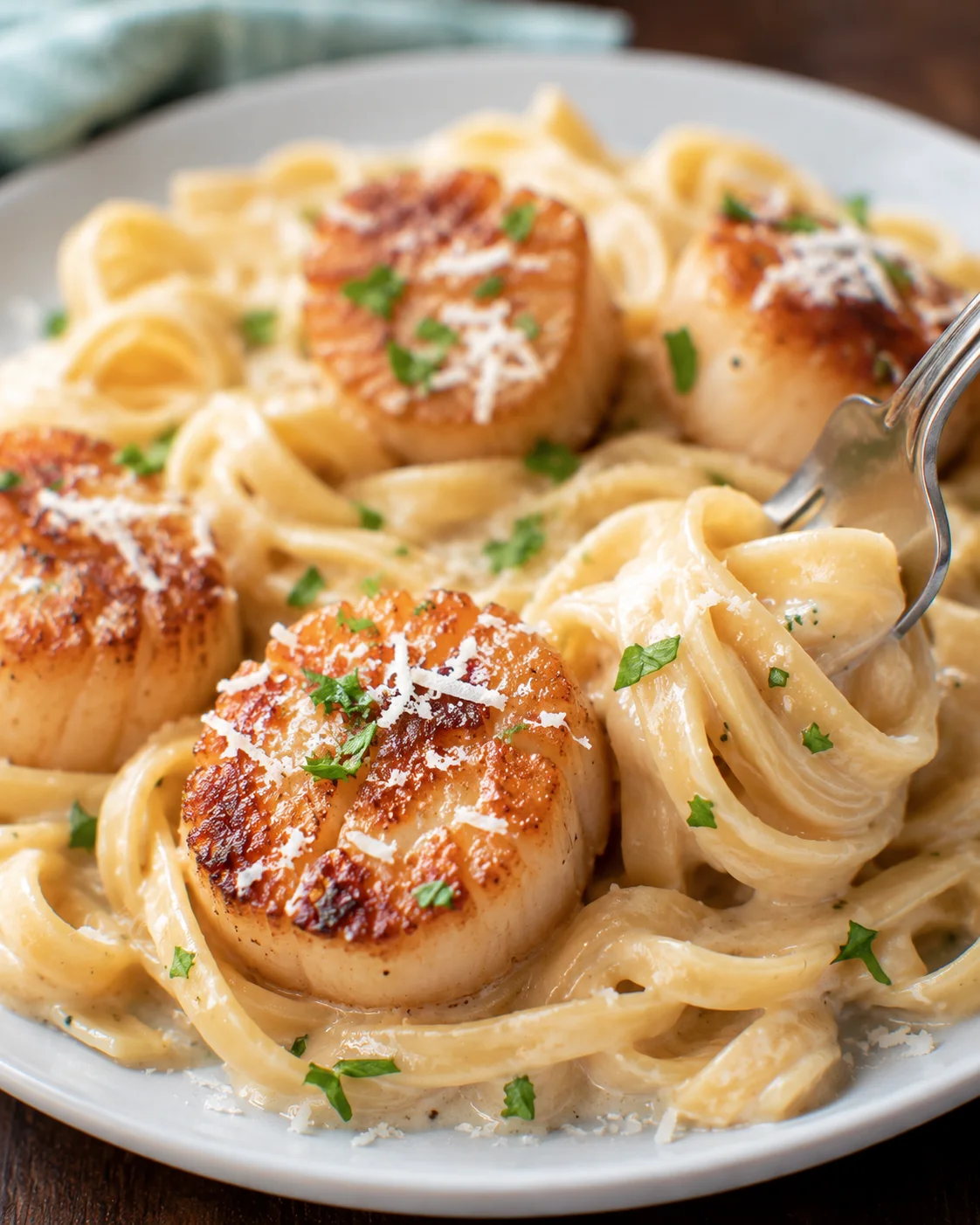
- Result: tender, golden scallops covered in a smooth, flavorful sauce that’s perfect with pasta
Keep reading for the full ingredient list and clear instructions so you can confidently enjoy this rich, yet simple scallop pasta dish at home.
Fast, Restaurant-Style Results
This recipe serves up seared scallops that look and taste like they came from a restaurant, but without the wait or the cost. The garlicky Parmesan cream sauce is luscious, and all it takes is a handful of pantry staples plus about 30 minutes. The searing process gives the scallops a beautiful golden crust while keeping the inside tender and juicy. Pair this sauce over pasta, rice, or steamed veggies for a meal that feels indulgent but comes together easily. With straightforward steps, minimal prep, and flexible serving options, it’s a perfect recipe to impress your family on any night.
Ingredients and Pantry Staples
- 1 lb sea scallops (dry)
- sea salt or kosher coarse salt
- freshly cracked black pepper
- 2 tbsp canola oil
- 2 tbsp unsalted butter
- 3 garlic cloves, minced or pressed
- 3 tbsp chicken or vegetable stock
- 1 cup heavy whipping cream
- 3/4 cup freshly grated Parmesan cheese
- salt to taste
- 1/2 lb fettuccine or your favorite pasta
Sear, Sauce, and Serve
- Gather and prep all ingredients.
- If serving with pasta, bring a large pot of salted water to a boil, cook pasta according to package directions, drain, and set aside.
- Rinse scallops under cold water and pat each completely dry with paper towels; remove any side muscle if present.
- Heat a skillet over medium-high heat until hot.
- Add canola oil to the hot skillet and heat until shimmering or just beginning to smoke.
- Season both sides of the scallops generously with sea salt and freshly cracked black pepper just before cooking.
- Arrange scallops in the pan without crowding so each has room to sear.
- Leave scallops untouched and cook the first side about 2 minutes, until a golden crust forms.
- Flip scallops in the same order and sear the other side about 2 minutes, until golden and opaque.
- Remove scallops from the pan and set aside while you make the sauce.
- Reduce heat to medium and melt unsalted butter in the same pan.
- Add minced or pressed garlic to the butter and sauté briefly until fragrant but not browned.
- Pour in the chicken or vegetable stock and scrape up the browned bits from the pan to deglaze.
- Add heavy whipping cream and stir, warming the sauce for a minute or two without letting it boil.
-
Stir in freshly grated Parmesan cheese and salt to taste, continuing to stir as the sauce thickens and begins to simmer.
- Return the seared scallops to the pan briefly to warm through without overcooking.
- Toss the cooked pasta in the sauce to coat evenly, or spoon the sauce over pasta and scallops before serving.
Shopping, Searing, and Serving Tips
- If scallops are new to you, shopping can be a little confusing—sizes, packaging, and whether they’ve been soaked in preservatives all matter.
- Always look for sea scallops because they’re larger and meatier than bay scallops. And definitely ask for “dry” scallops when you buy.
- “Dry” scallops mean they haven’t been treated with chemicals or soaked in liquids, making them healthier and easier to get a golden sear on since they don’t release extra water in the pan.
Flavor Twists and Substitutions
- Stock: For store-bought broth, choose low-sodium or no salt added to control saltiness. If you can find bone broth, it adds a deeper, richer flavor to your sauce.
- Heavy cream: This is the key for that velvety sauce. If you absolutely must swap, use half and half—but avoid anything thinner. Let your dairy come to room temperature before cooking to prevent curdling. Just leave it out while you prep.
- Parmesan cheese: Freshly grating from a block makes all the difference. A microplane zester is great because it creates fine shreds that melt beautifully. If you’re in a hurry, many grocery deli counters offer freshly grated Parmesan cheese.
Storage and Reheating Guide
Doing storage and reheating right keeps your scallops tasting amazing even the next day.
- Refrigerator: Let leftovers cool to room temp within two hours, then transfer to an airtight container. They’ll keep perfectly for 3 to 4 days.
- Reheating: Warm gently on the stove over low heat, just until heated through. Add a splash of broth or cream while reheating to keep the sauce silky and prevent it from drying out. Avoid microwaving or high heat—scallops get rubbery fast!
- Make-ahead tips: You can prepare the sauce ahead and refrigerate it for up to 3 days. When ready, reheat the sauce gently and then return the scallops just long enough to warm through so they stay tender.
- Pasta and scallops: Store cooked pasta and scallops separately if you can. Toss the pasta with a touch of oil to stop it from sticking, then combine with the sauce and scallops when it’s time to eat.
- Freezing: Raw dry sea scallops freeze best. Package airtight, freeze for up to 3 months, and thaw in the fridge overnight before cooking. You can freeze cooked scallops and pasta too, but texture might change. If you do, use freezer-safe containers and eat within a month. Thaw in the fridge and reheat gently.
Common Questions and Troubleshooting
How do I know when my scallops are perfectly cooked?
Scallops can be tricky if it’s your first time. The best way is to watch their color and texture.
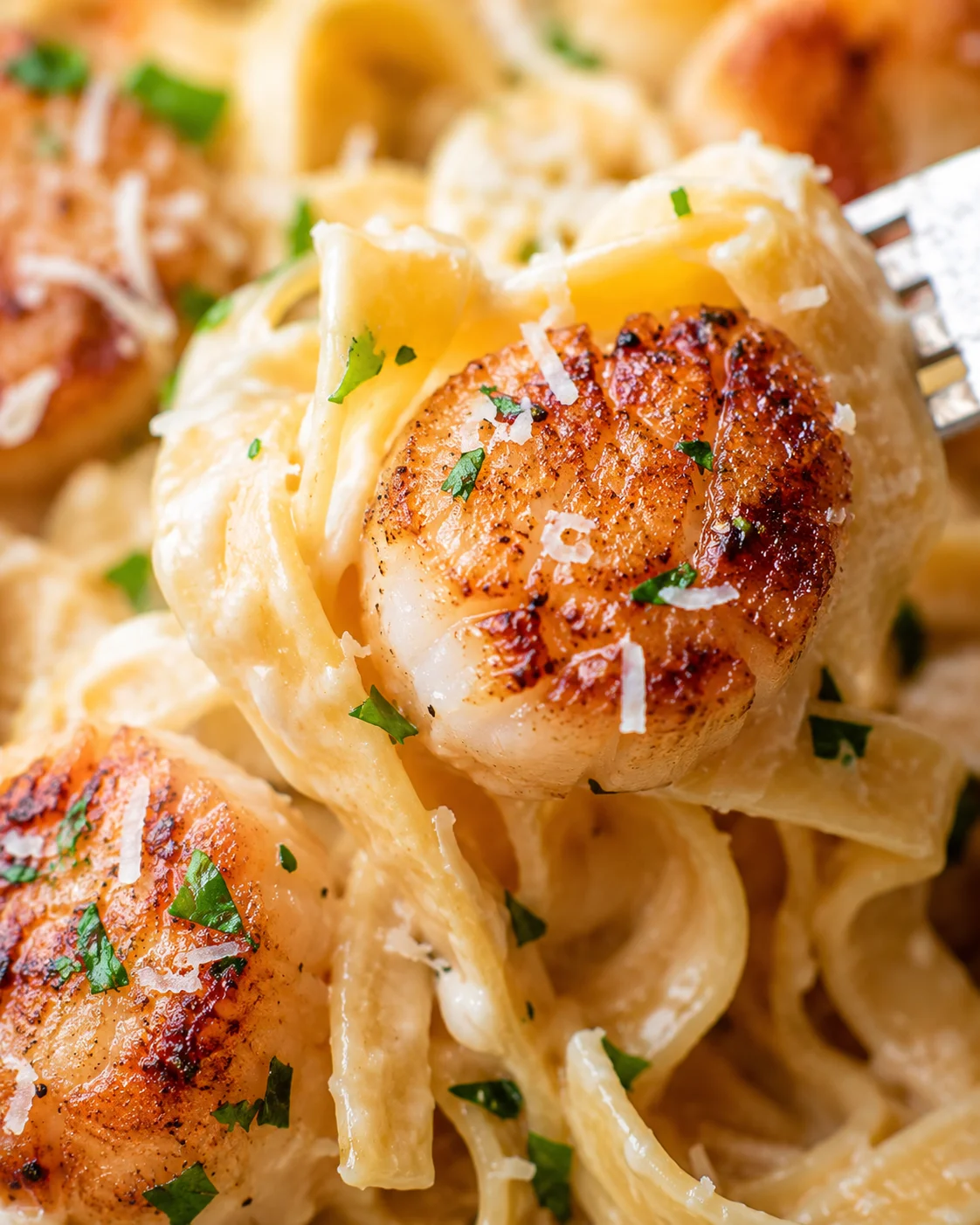
They should be golden brown on both sides and totally opaque inside. When you press gently, they feel firm but still a bit springy—think a soft bounce. If they’re firm or hard, they’re overcooked and rubbery.
You can also use a thermometer: they’re done at around 125°-130°F in the center. Pull them off at the lower temp because they keep cooking while resting.
Can I reheat cooked scallops?
Yes! But gently. Warm them on the stove over low heat just until warmed through. Overheating makes them tough. Your leftovers should be good for 3 to 4 days in a sealed container in the fridge.
Why did my scallops turn rubbery?
Sadly, that means they got overcooked. Scallops are delicate like shrimp—cook them too long and they lose all their moisture, becoming chewy and tough. It happens quickly, so keep an eye on that golden crust and pull them off on time!
Keep exploring
More from the recipe collection